
THE WORK
Hands in the Water, Eyes on the River
Maine Mollusks L3C does hands-on restoration and stewardship work with the bivalves native to Maine's coast — surf clams, oysters, and mussels. The organization monitors water quality, supports healthy shellfish populations, and works directly in the field alongside researchers and local harvesters to keep Maine's bivalve heritage intact for future generations.
WHERE WE WORK
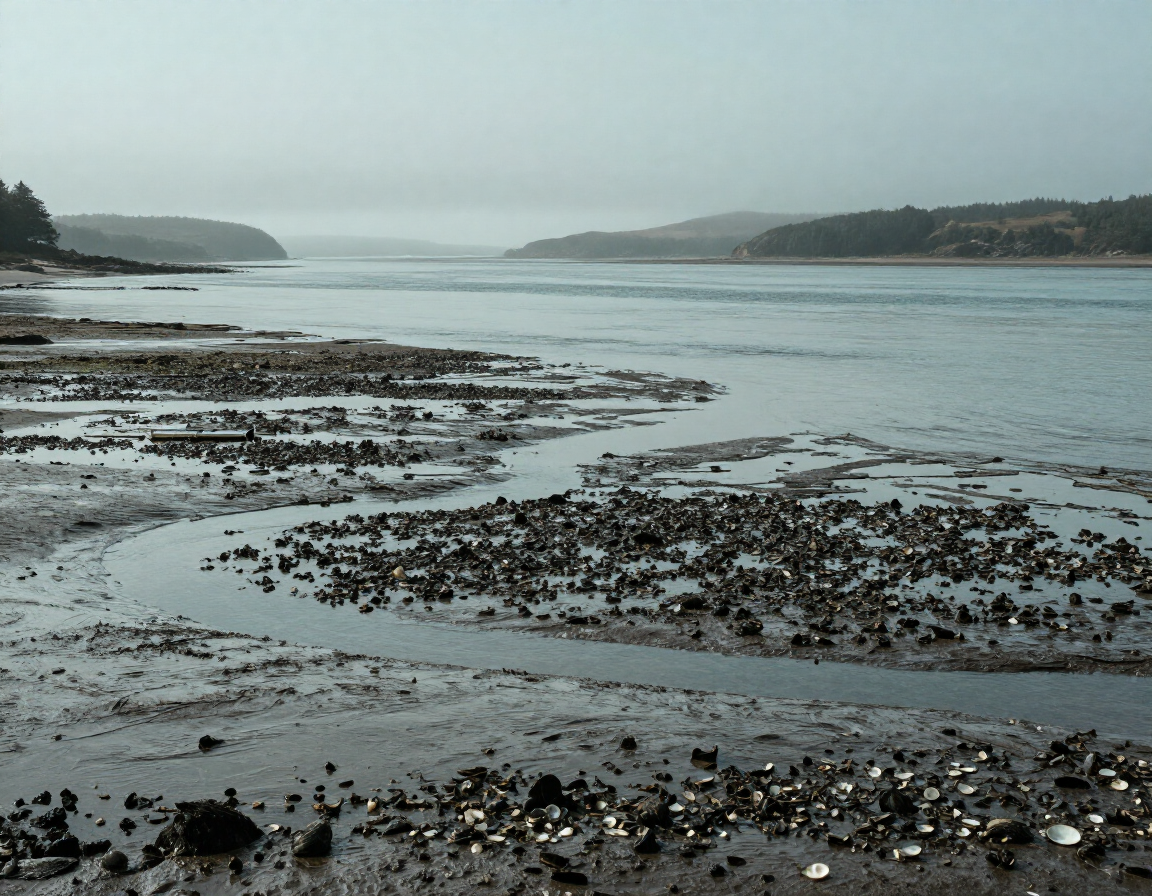
Damariscotta River & Pemaquid
These two sites along the Midcoast are where most of the organization's fieldwork happens. The Damariscotta River is one of Maine's most productive estuaries for oyster and clam habitat, and Pemaquid's tidal flats and coves support ongoing mussel and surf clam monitoring. Work in both locations includes water testing, habitat observation, and shoreline cleanup alongside partner researchers.
OUR APPROACH
How We Restore and Protect Coastal Waters
1. Water & Habitat Monitoring
Regularly testing water quality and observing bivalve habitat health across the Damariscotta River and Pemaquid to track changes over time.
2. Hands-On Restoration
Working directly in tidal flats and shoreline areas to support healthy populations of surf clams, oysters, and mussels through habitat care and cleanup.
3. Research Collaboration
Partnering with regional research groups to apply science-based methods to shellfish aquaculture and ecological restoration.
EDUCATION & OUTREACH
Sharing Bivalve Science with the Public
Maine Mollusks L3C shares educational content on bivalve biology and shellfish aquaculture through social media and in-the-field outreach, helping the public understand how clams, oysters, and mussels support both the local ecosystem and the regional economy. This work is done in collaboration with groups like the Downeast Institute and Coastal Enterprises, Inc.
Follow the day-to-day work and see what's happening on the water.
COMMON QUESTIONS
Restoration Methods & How to Get Involved
What restoration methods do you use?
We combine water quality monitoring, habitat observation, and hands-on shoreline work to support healthy populations of surf clams, oysters, and mussels in the Damariscotta River and Pemaquid areas.Can the public watch or join your fieldwork?
Much of our work happens on open tidal flats and shorelines, so passersby are welcome to observe from public access points. For group visits or to get involved directly, reach out through our contact page.Who do you partner with?
We collaborate with regional organizations and research groups, including the Downeast Institute and Coastal Enterprises, Inc., to support shellfish aquaculture and bivalve education.Where can I follow your day-to-day work?
We post regular updates on our fieldwork and bivalve education content on Instagram as Maine Mollusks L3C.
Have a question we didn't cover? Reach out — we'd like to hear from you.